

RCB vs DC: Daily Cricket & Toss Diary - Impact Player Callouts & Boundary Math

Published 2026-10-31 · By Dev Kaul (T20 Tactical & Toss Specialist · Chandigarh Desk)
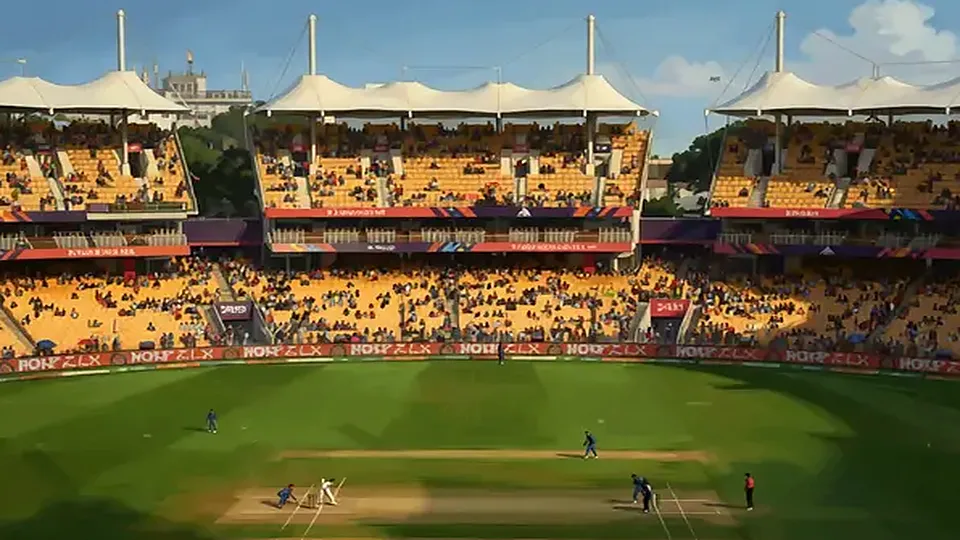
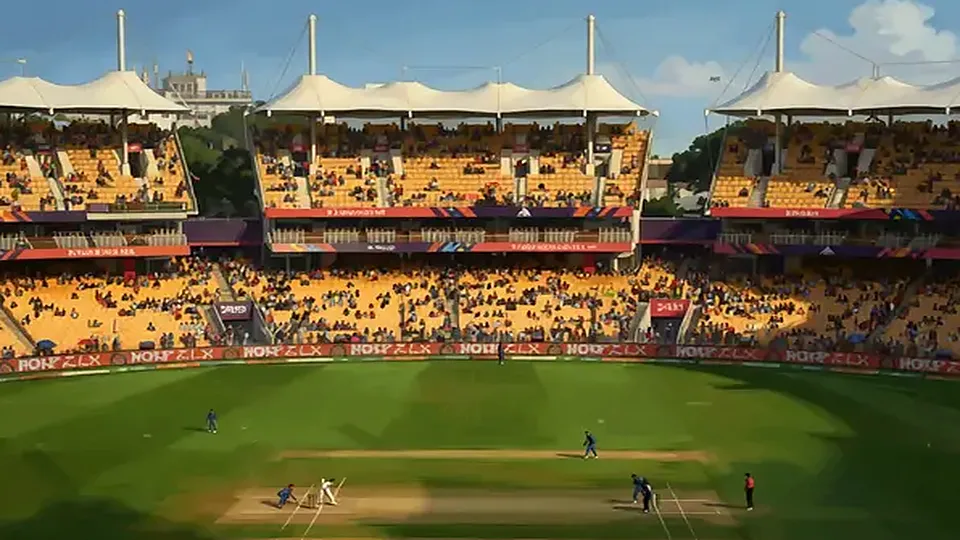
10:45 PM IST. The first ball off the new seam skids. No bounce. Just glide. The new ball did the talking here, but the dew factor after 8:30 PM is the real villain tonight. Nobody in the dugout bought that excuse about the sticky red-soil track being neutral; it’s not. It’s a trap for wrist-spinners who dare to bowl into the pitch.
This is the classic daily cricket & toss diary dilemma. DC called heads. RCB to bat. Now, watch the middle-overs choke play out. The boundary dimensions here are generous on the straight front, but tight on the square leg. You need a left-right batting pair to exploit that mismatch against off-spin. One gets beaten, the other clears the ropes. Simple math.
The Impact Player Gamble That Ruins Teams
Here’s where the T20 tactical nuance kicks in. RCB management has to decide: do they start with a specialist batsman, or keep the impact card in reserve for a wicket? If you start deep, you burn your impact player early. If you wait, you’re short a batter when the dew sets in and the ball stops skidding off the hard length. The Impact Player substitution isn’t just a rule; it’s a psychological weapon. Use it wrong, and you’re playing 11 against 12 mentally.
"The new ball did the talking." - Overheard in the RCB press box, 5 mins before first over.
DC’s strategy? They’re betting on the seam movement with the new ball. Three seamers up front. Then they switch to the spinner when the lights hit the dew. This is the skiddy hard length problem. If the wicketkeeper doesn’t have the glove for the slower ball, you’re giving away free runs. The boundary-percentage drops in the last five overs if the bowlers don’t adjust their lengths. It’s a pre-toss Playing XI dilemma that keeps scouts up at night.
Why the Middle-Overs Choke Keep Happening
- Wicketkeeping: If the keeper isn’t agile, the spinner’s slower ball becomes a hazard, not a weapon.
- Batting Pairs: Left-hitter vs off-spin. Right-hitter vs leg-spin. Mix them up and you’re asking for trouble.
- Bowling into the Pitch: On a dewy track, this is suicide. The ball skids, not seizes. You lose control.
The Ranji grind mentality doesn’t work in T20. You need boundaries, not runs. The boundary dimensions here favor the straight mid-on. If RCB’s openers can’t get the single, they’re stuck. DC’s bowlers will bowl into the corners, waiting for the edge. The edge is the key. Not power. Not stroke. Edge. If you can’t find the line, the batter will. If you find the line, the batter will try to miss it. Tense. Always tense.
The Toss Factor: More Than Coin Flips
Many think the toss is just a coin. Wrong. It’s a weather and condition gamble. Heads: you bat first. Dusk lights. New ball skids. You need to score 30 runs in the powerplay just to stay competitive. Tails: you bowl first. Dew sets in. The ball dries out slower. The spinner gets more grip. The skiddy hard length becomes the weapon. Which side is better? It depends on your Impact Player. If you have a dual-role all-rounder, you bowl first. If you have a pure hitter, you bat first.
Today’s call: DC called heads. RCB to bat. RCB’s Impact Player? Almost certainly starting out. That’s the gamble. If they lose a top-order wicket early, they might pull the trigger in the 8th over. Bring in the all-rounder, take out the keeper? No. That’s too chaotic. No. Bring in the second spinner, take out the pacer. Adapt to the dew. Adapt to the skid. Adapt to the reality that this track is not playing straight.
Stay sharp. Watch the 12th over. That’s where the middle-overs choke hits. That’s where the team that read the daily cricket & toss diary correctly starts taking the lead. And when they do, the dew becomes their friend, not their enemy. The skiddy hard length becomes the ball that kills the opposition. Simple. Brute force. Tactical genius.
Related coverage
- Daily Cricket & Toss Diary: Duffy’s Hard Length Crushes India’s Middle-Order Collapse in 172
- BCCI’s Kiwi Gamble: Backing the Broken Star in the Daily Cricket & Toss Diary

Updated 2026-10-31 · Instant Rupee Deposits & 60s Withdrawals · 24/7 Support.
Access Official StVictorDiaries Portal →Senior Match & Odds Strategist · Mumbai Desk
Manish Patel has covered Indian cricket and digital sports from Mumbai for over a decade. At StVictorDiaries (stvictordiaries.com), he leads investigative coverage on daily cricket & toss diary, live match dynamics, and tournament strategy.
Reader Discussion & Match Reactions (2)5.0★ Community (2 Comments)
Verified Indian cricket reader perspectives & tactical debate on stvictordiaries.com
Wait, the article mentions a sticky red-soil track and dew factors, but doesn't name any specific Ranji Trophy states or grassroots academies sending players up? If this is a WPL-style domestic circuit analysis, I’m missing where the regional development pathway is being highlighted for wrist-spinners struggling on that surface.
The boundary math here is sloppy without actual data. If the straight front is generous and square leg is tight, what is the specific strike rate threshold for the left-right pair to maximize the mismatch? Dev Kaul needs to cite the actual average runs per over in the middle-overs choke to prove if the Impact Player gamble is statistically sound or just hot air.
Join the Discussion (2 Reader Comments)
Related Articles
See All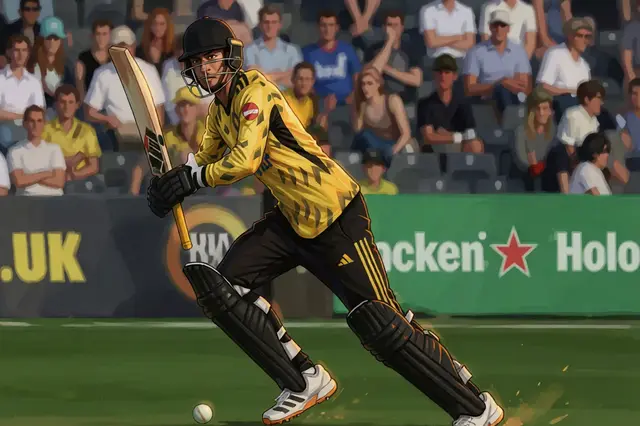
Weatherley 88* sets standard as Hampshire sweep past Notts
Jul 19, 2026