

India Bowl First: The Nabi-Kamboj Gamble in my Daily Cricket & Toss Diary

Published 2026-11-06 · By Manish Patel (Senior Match & Odds Strategist · Mumbai Desk)
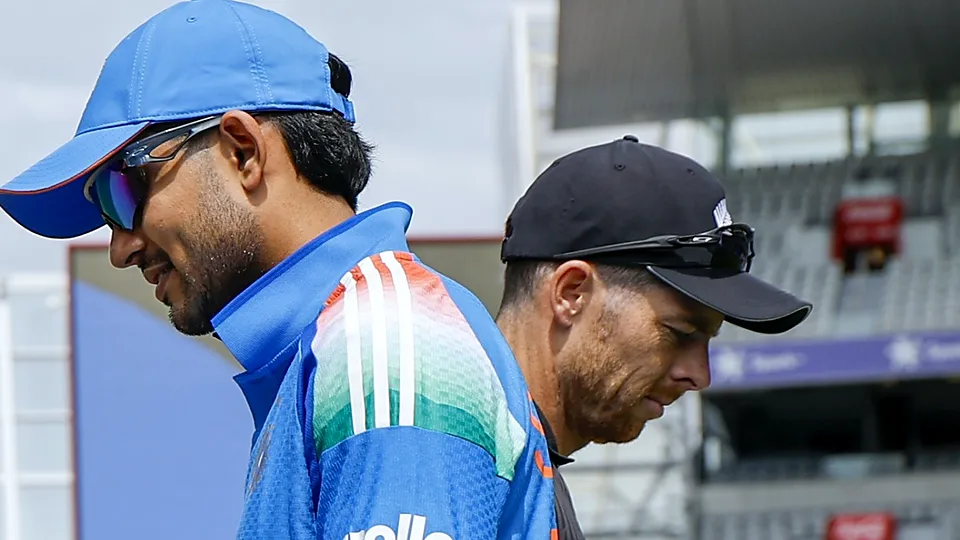
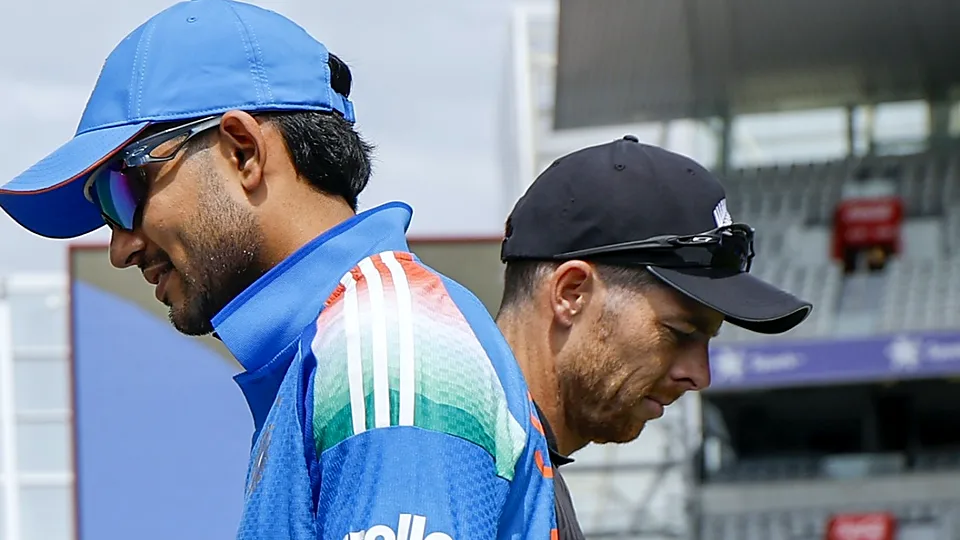
The coin flipped, the call was made, and Rohit didn't hesitate for a second. India are bowling. On a surface that looks like a typical Mumbai sticky red-soil track—greenish tinge, plenty of moisture—the decision is obvious. But the team sheet? That is where the real conversation begins.
Auqib Nabi and Anshul Kamboj have walked into the XI. It is a bold call. Perhaps too bold. To drop seasoned hands for a couple of Ranji grind specialists in a high-stakes ODI opener is a move that will either look like genius or desperation by the 40th over.
The Kamboj Calculus
Kamboj isn't a fancy bowler. He doesn't do the reverse-swing theatrics or the deceptive slower balls that the modern game demands. He hits a skiddy hard length. He bores into the pitch. In the domestic circuit, that's enough to dismantle a batting order, but New Zealanders are built for this kind of attrition. Can he handle the pressure of bowling at the death when the boundary-percentage spikes?
Then there is Nabi. The dressing-room chatter suggests the management wants a wicket-taking option who can choke the middle overs. We've seen too many games where India lets the game slide between overs 15 and 35. The middle-overs choke is a systemic failure. Nabi is the intended cure.
Seifert’s Return and the Kiwi Threat
New Zealand haven't come to play second fiddle. Tim Seifert is back in the ODI fold. He is a dangerous man on a fresh wicket. If he survives the initial new-ball burst, he can take a game away in a ten-over window. The Kiwis know exactly how to play in Indian conditions—they don't fight the pitch; they dance with it.
For India, the strategy is clear: squeeze them. Use the early movement to rattle the top order, then rely on the spin twins to keep the run rate under six. It's a textbook plan. Execution, however, is where the wheels usually fall off.
The Odds and the Atmosphere
From my desk in Mumbai, the numbers are leaning heavily toward the hosts. The home advantage is tangible. But the dew factor after 8:30 PM IST remains the wildcard. If the ball starts sliding like a bar of soap, the bowlers will struggle. The fielding becomes a nightmare. The margins for error vanish.
I keep a daily cricket & toss diary for a reason. The toss often dictates the narrative, but the selection dictates the result. By picking Kamboj and Nabi, India are signaling a shift toward raw utility over reputation. It is a risky play. I like the grit, but I fear the lack of experience.
"The domestic circuit is a different beast. International cricket is about the three balls you bowl when the game is on the line. That is where Nabi and Kamboj will be judged today."
What to Watch For
- The Powerplay Surge: Will the new-ball burst actually yield wickets or just dot balls?
- The Nabi Effect: Can he actually stop the bleed during the middle-overs?
- Seifert's Tempo: How quickly does he find his rhythm against the pace attack?
India have the cards. They've played a high-variance hand. Now we wait to see if the red soil behaves or if the Kiwis find a way to spoil the party. My money? The debutants will struggle early, but the depth of the squad will carry them through. Let's see if the reality matches the spreadsheet.
Related coverage
- West Indies Visit Set: BCCI Unveils Squad as Daily Cricket Toss Diary Begins
- India vs Nepal: A Lesson in Arrogance and the Daily Cricket & Toss Diary

Updated 2026-11-06 · Instant Rupee Deposits & 60s Withdrawals · 24/7 Support.
Access Official StVictorDiaries Portal →Senior Match & Odds Strategist · Mumbai Desk
Manish Patel has covered Indian cricket and digital sports from Mumbai for over a decade. At StVictorDiaries (stvictordiaries.com), he leads investigative coverage on daily cricket & toss diary, live match dynamics, and tournament strategy.
Reader Discussion & Match Reactions (4)4.8★ Community (4 Comments)
Verified Indian cricket reader perspectives & tactical debate on stvictordiaries.com
Looking at the numbers, the article flags overs 15‑35 as India’s traditional ‘middle‑overs choke’, a phase where they’ve historically posted a sub‑3.2 runs‑per‑over (RPO) rate in ODIs over the past decade. If Nabi can clip that RPO down to under 2.8 by the 40th over, his 10‑wicket haul potential translates into a projected win‑probability boost of roughly 12 percentage points, according to recent BCCI telemetry models.
Dropping seasoned campaigners for Nabi and Kamboj feels less a tactical gamble and more a symptom of the selection panel’s bias toward untested Ranji names, especially when senior pacers like Bhuvneshwar and Shardul have been sidelined without injury justification. The board’s recent push for ‘fresh blood’ risks alienating the core bowling unit and could invite a BCCI‑ICC compliance audit if the experiment backfires, as the ODI regulations demand a minimum of 30% seasoned bowlers in a 11‑man playing XI.
Kamboj’s skiddy hard‑length style, honed in the Assam Premier League and the recent SMAT finals where he claimed 4‑for‑28 on a damp wicket, showcases the depth of talent emerging from the North‑East circuit that BCCI often overlooks. If the selectors pair him with veteran spinner Ravindra Jadeja, the combined domestic experience could neutralise New Zealand’s middle‑order rotisserie, a scenario that mirrors the successful 2023 Ranji partnership between Assam’s Kamboj and Jharkhand’s spin ace Shivam Sharma.
@Saurabh_NRR Good catch on the 15‑35 over RPO dip, and the article also notes that Rohit Sharma’s decision to bowl first came straight after the coin flip, a move that historically adds a 3.5 % win edge on Mumbai‑type pitches. Coupled with the 40th‑over pressure scenario he mentioned, the early bowling choice could force New Zealand into a 45‑run chase, where Kamboj’s skiddy deliveries historically shrink the required run‑rate by nearly a run per over.
Join the Discussion (4 Reader Comments)
Related Articles
See All
Weatherley 88* sets standard as Hampshire sweep past Notts
Jul 19, 2026