

Hamilton’s Damp Deck: A Seamer’s Paradise or a Batter’s Nightmare?

Published 2026-11-13 · By Manish Patel (Senior Match & Odds Strategist · Mumbai Desk)
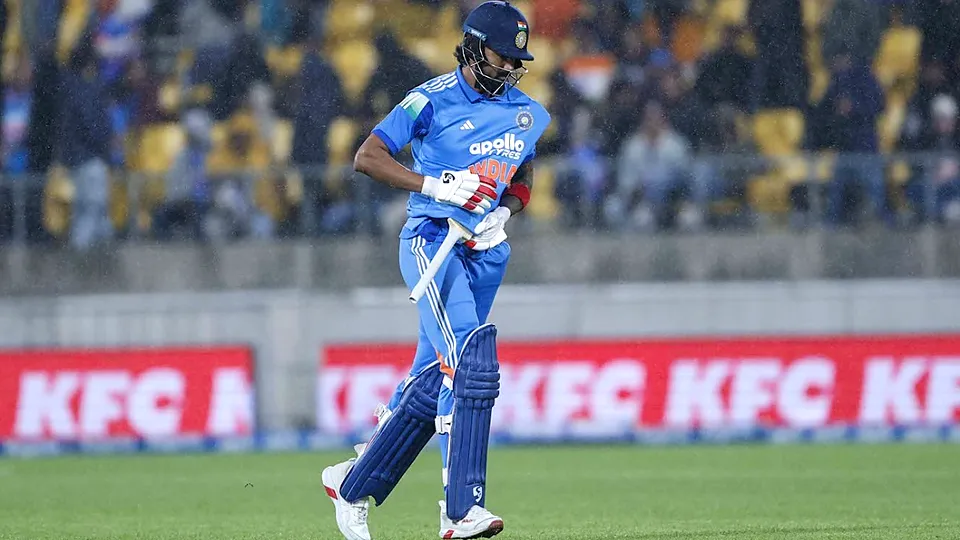
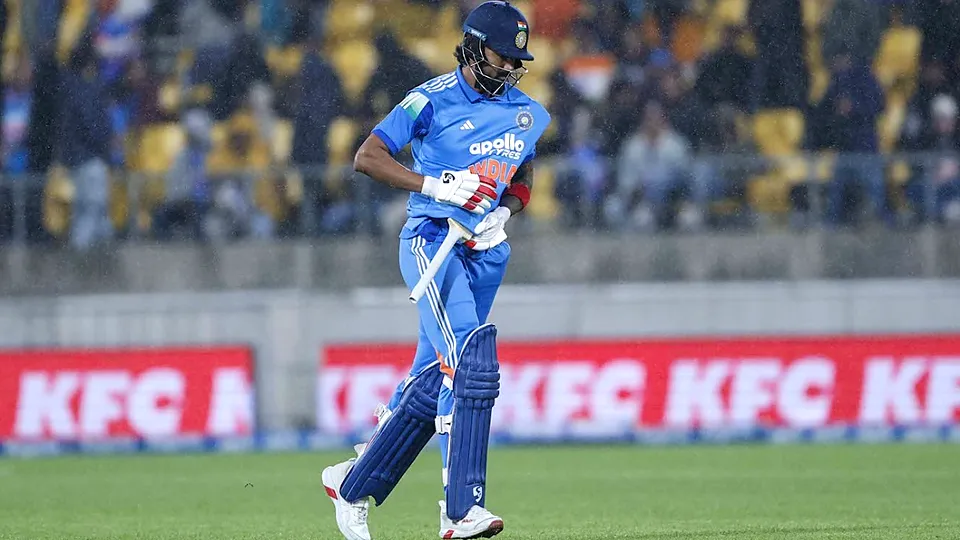
The clouds over Hamilton aren't just brooding; they are actively sabotaging the batting averages. One look at the moisture clinging to the surface and it is clear: this is a seamer's dream. The air is heavy. The turf is tacky. Any ball that lands on a skiddy hard length is going to dance, and the Indian top order looks dangerously ill-equipped for this kind of chaos.
The official line from the camp is that these conditions are a 'blessing in disguise.' Give me a break. Since when is a batting collapse in a damp New Zealand breeze a blessing? It is a survival test. In my daily cricket & toss diary, I've tracked a dozen such scenarios, and the pattern is always the same: the side winning the toss will scramble to bowl first, praying the overhead gloom persists until the 30th over.
The New-Ball Burst Problem
India’s struggle isn't about technique; it is about temperament in the tropics. When the ball swings naturally—not the manufactured drift we see on a flat Wankhede deck, but real, biting movement—the panic sets in. The feet stop moving. The bats come down too late. We are seeing a recurring theme where the openers get strangled by a relentless new-ball burst, leaving the middle order to clean up the mess on a surface that offers zero respite.
Consider the current dynamics:
- The Swing Factor: Unseasonal rain has left the outfield lush and the pitch 'sticky'.
- The Length: New Zealand's pacers are hitting that awkward 6-8 meter mark.
- The Pressure: India's boundary-percentage has plummeted in these conditions.
A Middle-Overs Choke in the Making
If the top order survives, the real danger is the middle-overs choke. It happens every time India plays in these damp corridors. The batters get bogged down, the dot-ball count climbs, and the frustration leads to a reckless heave. It is a classic Ranji grind transposed onto an international stage, except the stakes are higher and the margins for error are non-existent.
"It's a good thing the conditions are seaming," says the wire. I'd argue it's a disaster for any captain who believes in the 'bat first and post a big total' philosophy in Hamilton.
Who wins the toss? The captain who realizes the pitch is a minefield. If India bats first, they are essentially bowling into the pitch with their bats. The New Zealand attack thrives on this atmospheric moisture—it gives their medium-pacers an unfair edge, turning a standard delivery into a lethal delivery that nips back sharply.
The Death-Over Gamble
Bowling at the death on a wet surface is a different beast entirely. The ball gets slippery. The grip vanishes. We might see some expensive overs, but that is a small price to pay for the early wickets these conditions guarantee. The real question is whether India can adapt their approach or if they will continue to play a 2020s game on a 1990s seaming track.
| Factor | Impact on India | Impact on NZ |
|---|---|---|
| Overcast Skies | High Anxiety | High Confidence |
| Moist Turf | Edge-prone | Extra Bounce |
| Toss Win | Defensive | Aggressive |
The dressing-room chatter will likely revolve around 'playing late' and 'leaving the ball'. That is fine for a textbook, but in the heat of a match, instinct takes over. And right now, the instinct in the Indian camp seems to be a mix of hesitation and hope. Hope is not a strategy. On a day like today, the only strategy that works is grit—pure, unadulterated, old-school grit.
Related coverage
- Daily Cricket & Toss Diary: Mithali Raj's 2026 WPL Roadmap and the Next Gen Test
- Wankhede Math: Why MI's Toss Choice is a Trap, Not a Gift

Updated 2026-11-13 · Instant Rupee Deposits & 60s Withdrawals · 24/7 Support.
Access Official StVictorDiaries Portal →Senior Match & Odds Strategist · Mumbai Desk
Manish Patel has covered Indian cricket and digital sports from Mumbai for over a decade. At StVictorDiaries (stvictordiaries.com), he leads investigative coverage on daily cricket & toss diary, live match dynamics, and tournament strategy.
Reader Discussion & Match Reactions (5)4.8★ Community (5 Comments)
Verified Indian cricket reader perspectives & tactical debate on stvictordiaries.com
The mention of the 6-8 meter length is the critical telemetry here. If the boundary-percentage is plummeting as Patel suggests, the strike rotation will collapse before the 30th over. We need the exact swing deviation data to see if this is actually a survival test.
Patel calls it a survival test, but the real issue is the BCCI's obsession with 'flat Wankhede' temperaments. Why are we sending a top order ill-equipped for biting movement into Hamilton? It's a failure of selection, not just a 'damp deck' problem.
It is disappointing that the focus is only on the national top order's panic. We have domestic performers in the Ranji circuit who handle sticky, tacky surfaces far better than these stars. The grassroots pathway to overseas conditions is clearly broken.
Focusing on the 30th over as the cutoff for the overhead gloom is the right call. If the ball is dancing on a skiddy hard length, the middle order's recovery rate will be statistically insignificant. The 'sticky' pitch factor usually spikes wickets in the first 15.
@Saurabh_NRR Exactly, and that 6-8 meter mark is where the panic sets in. When the feet stop moving because of that biting movement, the boundary-percentage drop Patel mentioned becomes an inevitable disaster for the openers.
Join the Discussion (5 Reader Comments)
Related Articles
See All
Weatherley 88* sets standard as Hampshire sweep past Notts
Jul 19, 2026